


Norwegian Mackerel and Asian Mackerel
Release time:
2024-03-12
The mackerel, also known as the chub mackerel or Spanish mackerel, is a fish species widely distributed throughout the world’s oceans, with significant populations in the Pacific, Indian, and Atlantic Oceans. In China, mackerel is primarily found in the Yellow Sea, East China Sea, and South China Sea. It is also commonly encountered along the coasts of China, North Korea, Japan, and the Russian Far East, with its northernmost range extending as far as the Sea of Okhotsk. Among Atlantic mackerel, the Norwegian mackerel is the most renowned.
Norwegian Mackerel
Norway is world-renowned for its majestic fjords, glaciers, and auroras. Hidden within this vast land is a treasure from the deep sea—Norwegian mackerel.
Norwegian mackerel is one of the specialties of Norwegian waters. Located in the deep waters of the North Atlantic, this region boasts cold, crystal-clear seas that provide mackerel with an ideal natural habitat. Under these conditions, Norwegian mackerel grows exceptionally plump and flavorful, with tender flesh and an outstanding taste.
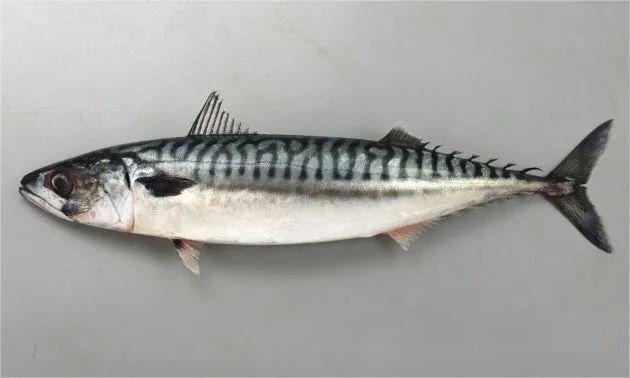
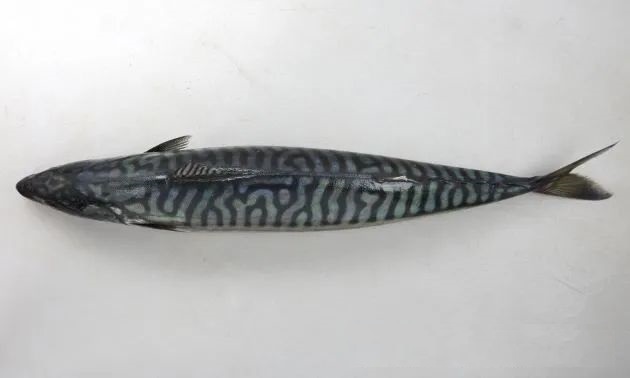
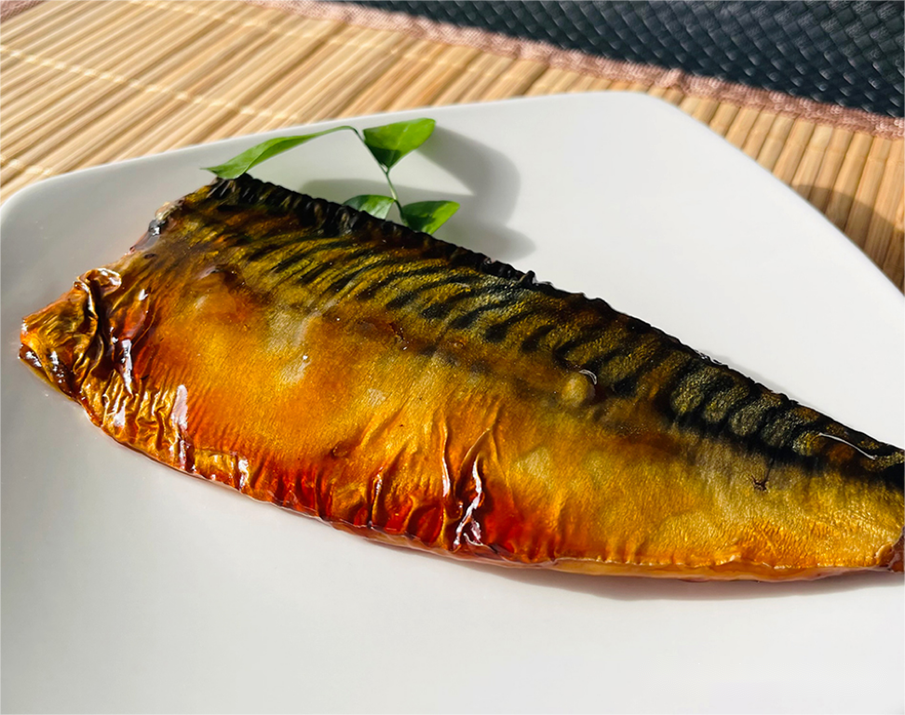
Norwegian mackerel resembles typical mackerel in appearance: a spindle-shaped body with a prominent lateral line, a greenish-blue back, and irregular dark-blue markings. Yet it is precisely this unique marine environment that imparts its distinctive quality. Norwegian mackerel boasts firm, tender flesh with a delicious, fresh flavor, and is rich in numerous nutrients, including high-quality protein, unsaturated fatty acids, and a variety of trace elements.
In Norway, mackerel is a vitally important fishery resource. Each year during the fishing season, fishermen set out to sea to partake in this grand feast of the ocean. They employ state-of-the-art fishing techniques and equipment to ensure they land the freshest, highest-quality mackerel. Once brought ashore, these mackerel undergo rigorous sorting and processing to guarantee that their quality and flavor are at their very best.

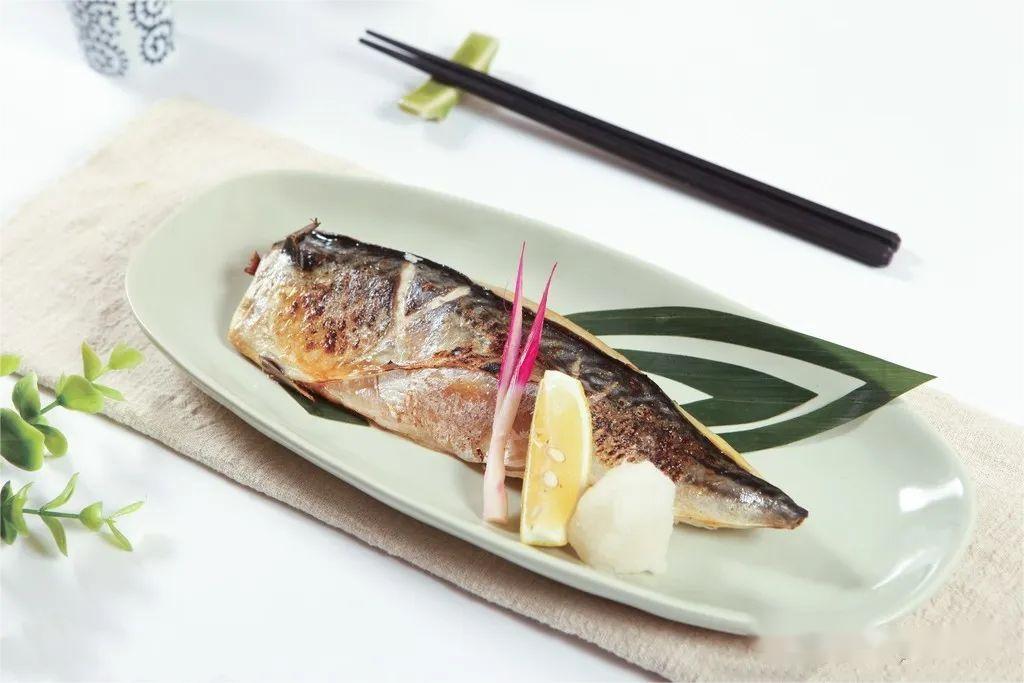
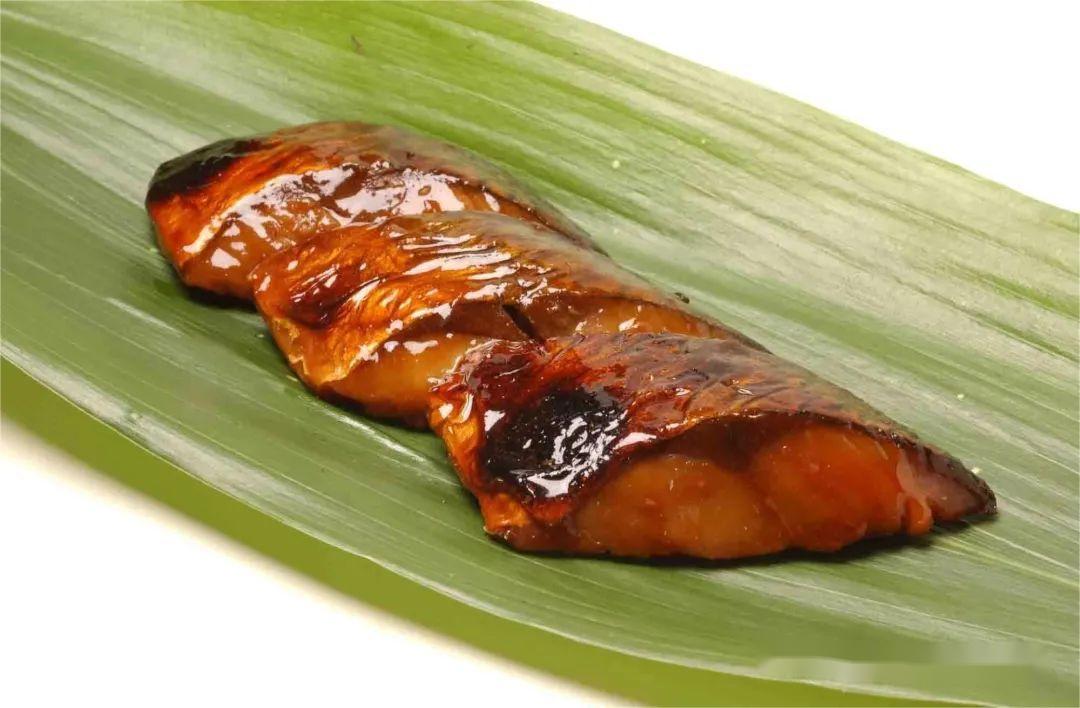
Norwegian mackerel can be prepared in a wide variety of ways—whether pan-fried, grilled, boiled, or steamed—each method highlighting its distinctive, fresh, and delicious flavor. In restaurants around the world, diners can savor an array of mackerel-based dishes, such as mackerel steaks, roasted mackerel, and mackerel sashimi. These dishes are not only delectable but also highly nutritious, making them immensely popular with food lovers.
The diet of the Japanese Spanish mackerel is also highly diverse, as they feed on planktonic crustaceans and juvenile fish; this broad dietary niche enables them to exploit abundant food resources throughout the marine environment. In addition, Japanese Spanish mackerel exhibit rapid growth, typically reaching sexual maturity by the first or second year of life, which is another key factor in maintaining stable population sizes.
Pacific mackerel from Asian waters is prized for its delicious flavor and firm, tender flesh. In Japan, it is regarded as a premium seafood ingredient, celebrated for its exquisite taste and rich nutritional value, making it a favorite among consumers. Similarly, in China, Pacific mackerel has become a popular item in the seafood market thanks to its distinctive flavor and high nutritional content.
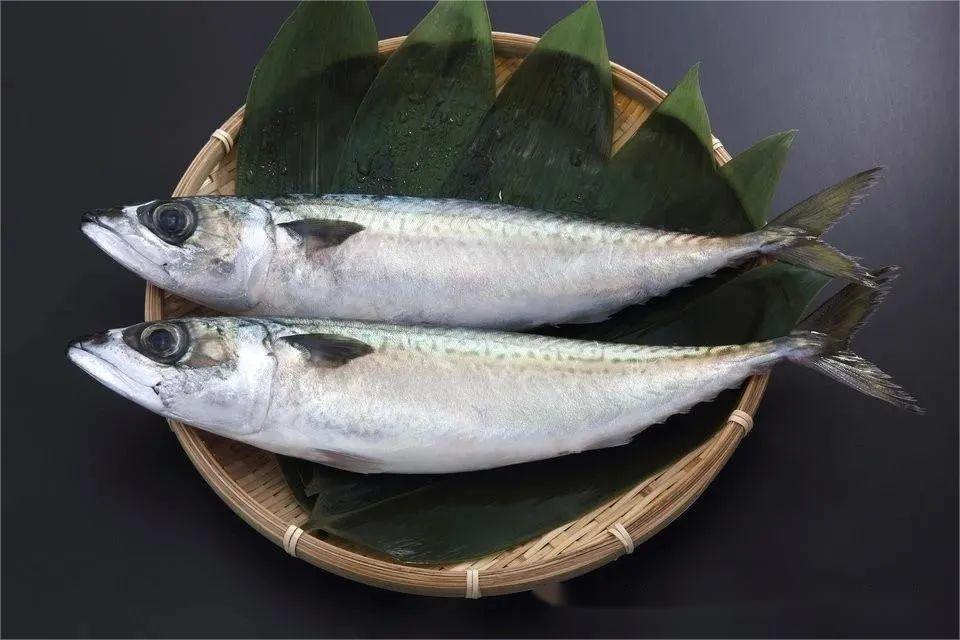
As a common edible fish, mackerel is highly nutritious, with its nutritional value primarily manifested in the following aspects:
First, mackerel is rich in protein. Every 100 grams of mackerel contains approximately 18.6 grams of protein, an essential nutrient required for maintaining normal physiological functions and playing a crucial role in boosting physical strength and promoting metabolism.
Secondly, mackerel is rich in fat, particularly beneficial unsaturated fatty acids such as omega-3 fatty acids. These fatty acids play a crucial role in lowering blood lipids and blood pressure, preventing thrombosis, and protecting cardiovascular health, thereby helping to reduce the risk of cardiovascular diseases.
In addition, mackerel is a good source of vitamin D. Vitamin D aids the body’s absorption and utilization of calcium, which is crucial for maintaining bone health and preventing osteoporosis. The vitamin A in mackerel also has beneficial effects on vision protection and skin health.
Mackerel is also rich in essential minerals such as calcium, phosphorus, and iron, which play crucial roles in maintaining normal physiological functions, promoting bone development, and preventing anemia.
In addition, mackerel is rich in DHA, a nutrient that is essential for brain development and function. Moderate consumption of mackerel, particularly by pregnant women and infants, can promote the development of neural tissue and maintain optimal brain function, thereby having a positive impact on cognitive development.
It is important to note that, although mackerel is highly nutritious, it is not suitable for everyone. Individuals with seafood allergies may experience allergic reactions after consuming mackerel. In addition, because mackerel is relatively high in purines, people with hyperuricemia should limit their intake. When selecting mackerel, ensure that it is fresh and avoid eating fish that is past its expiration date or no longer fresh to prevent adverse reactions.
In summary, mackerel is a nutritious edible fish that offers numerous health benefits when consumed in moderation. While enjoying its delicious flavor, it is important to practice portion control and choose preparation methods that suit individual dietary needs and preferences.


